AGORA Magazine.
Home.

AGORA Magazine was a digital creative magazine I founded and led in Prague, supported by Prague City University. Over two years and four issues, it grew from an editorial experiment into a platform with genuine creative ambition, featuring collaborations with international creatives and studios. The original identity served its purpose but had outgrown the project it was representing.
Challenge.
During our first year of production, I prioritized exploring mediums and testing out ideas. Breaking things to see what sticks. By the end of the year, it was clear the magazine needed a stronger foundation: a brand flexible enough to coexist with a wide variety of art styles without losing its own voice. I used the summer break to rebuild it.
Strategy.
The magazine is a catalyst for creativity. It balances hosting many voices, cultures and experiences with its own. Urban, multicultural and authentic, AGORA is unapologetically creative.

Identity.
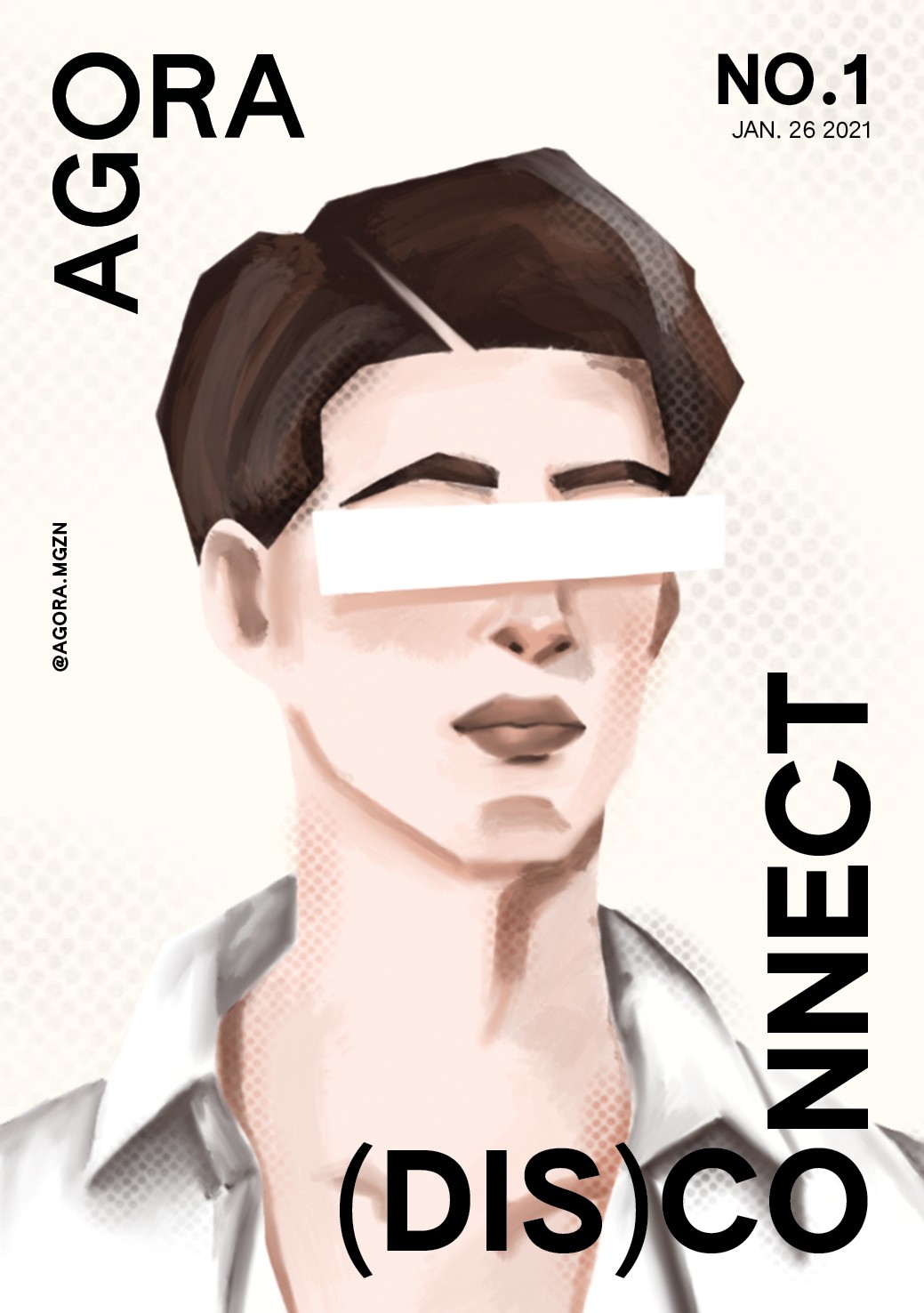
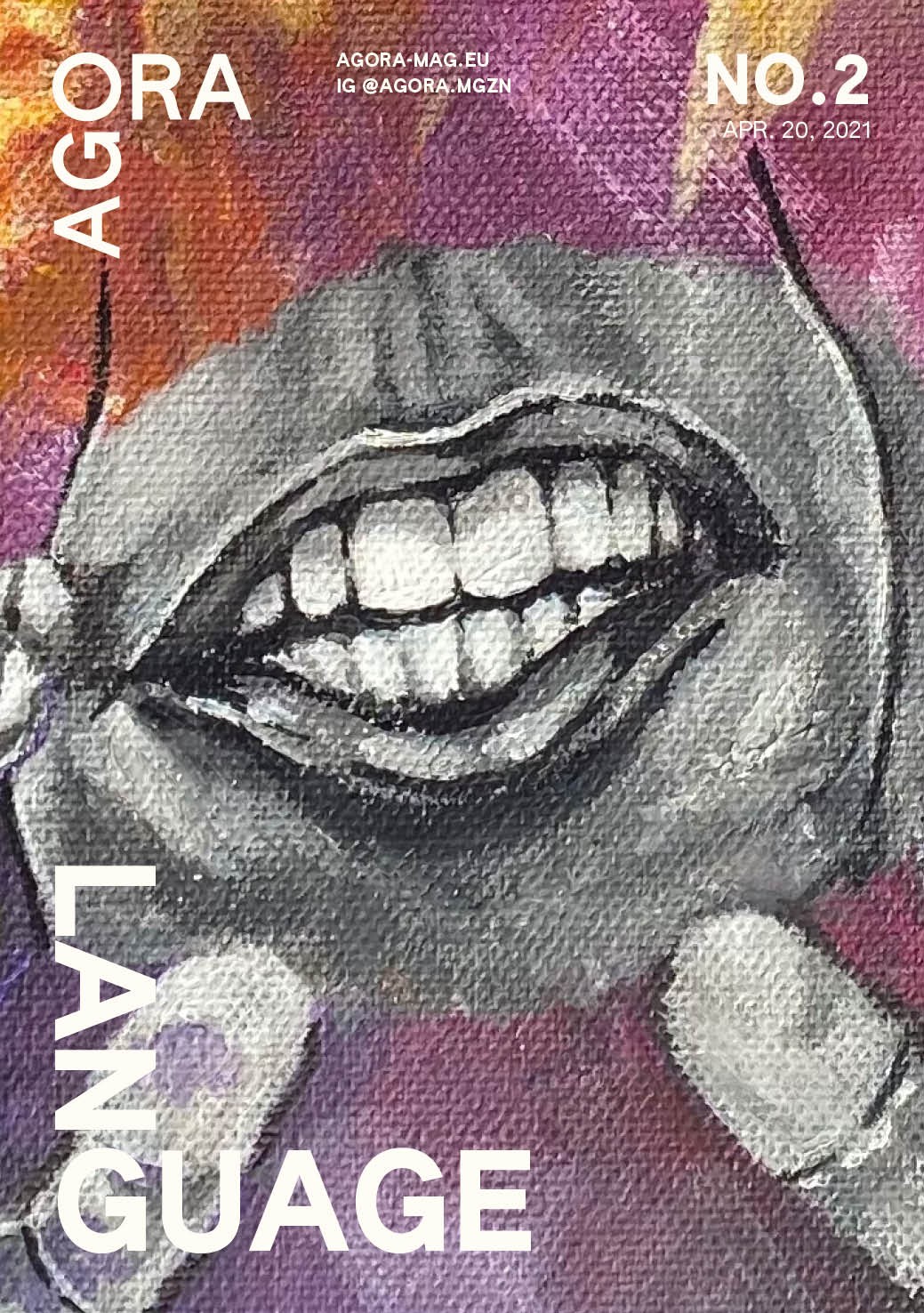
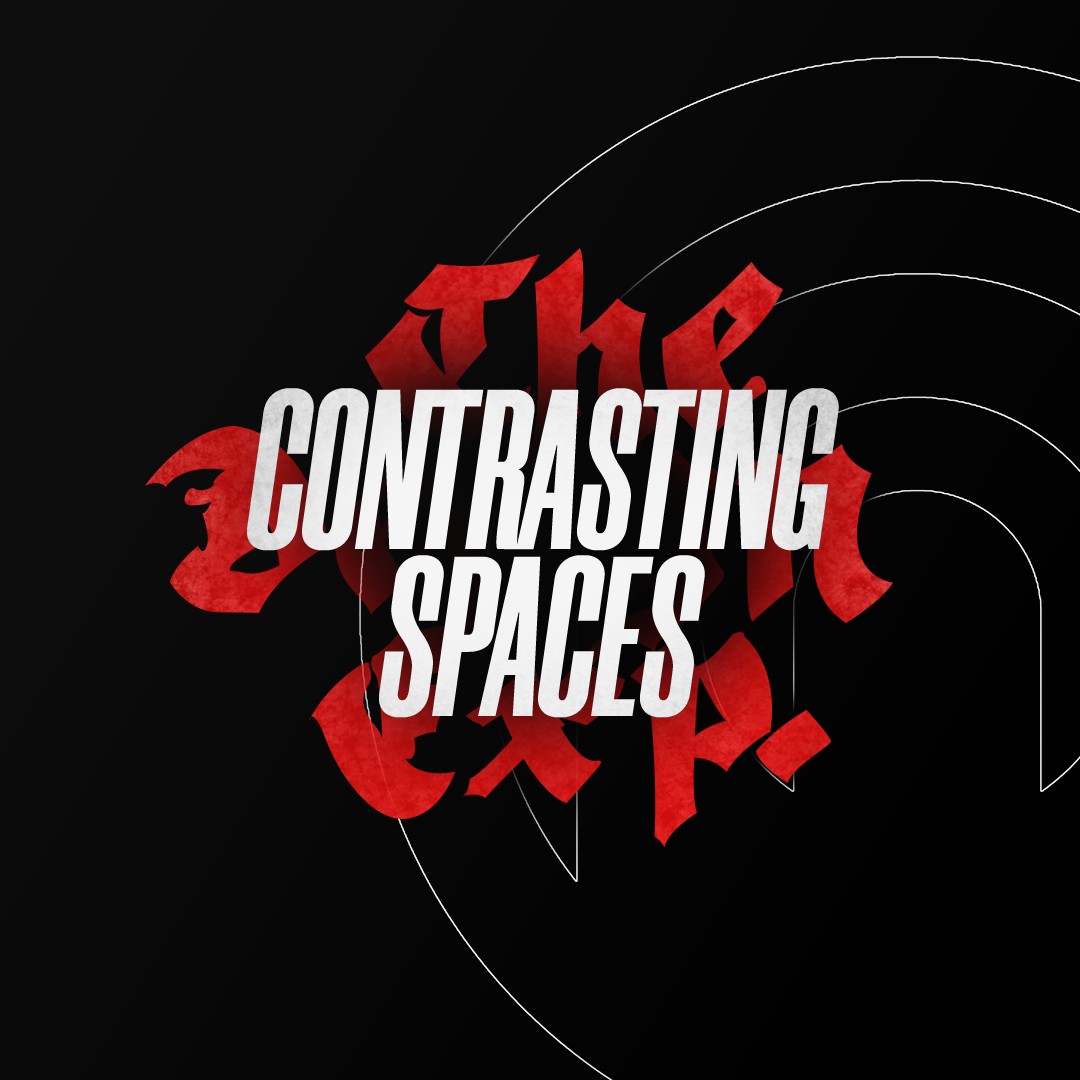
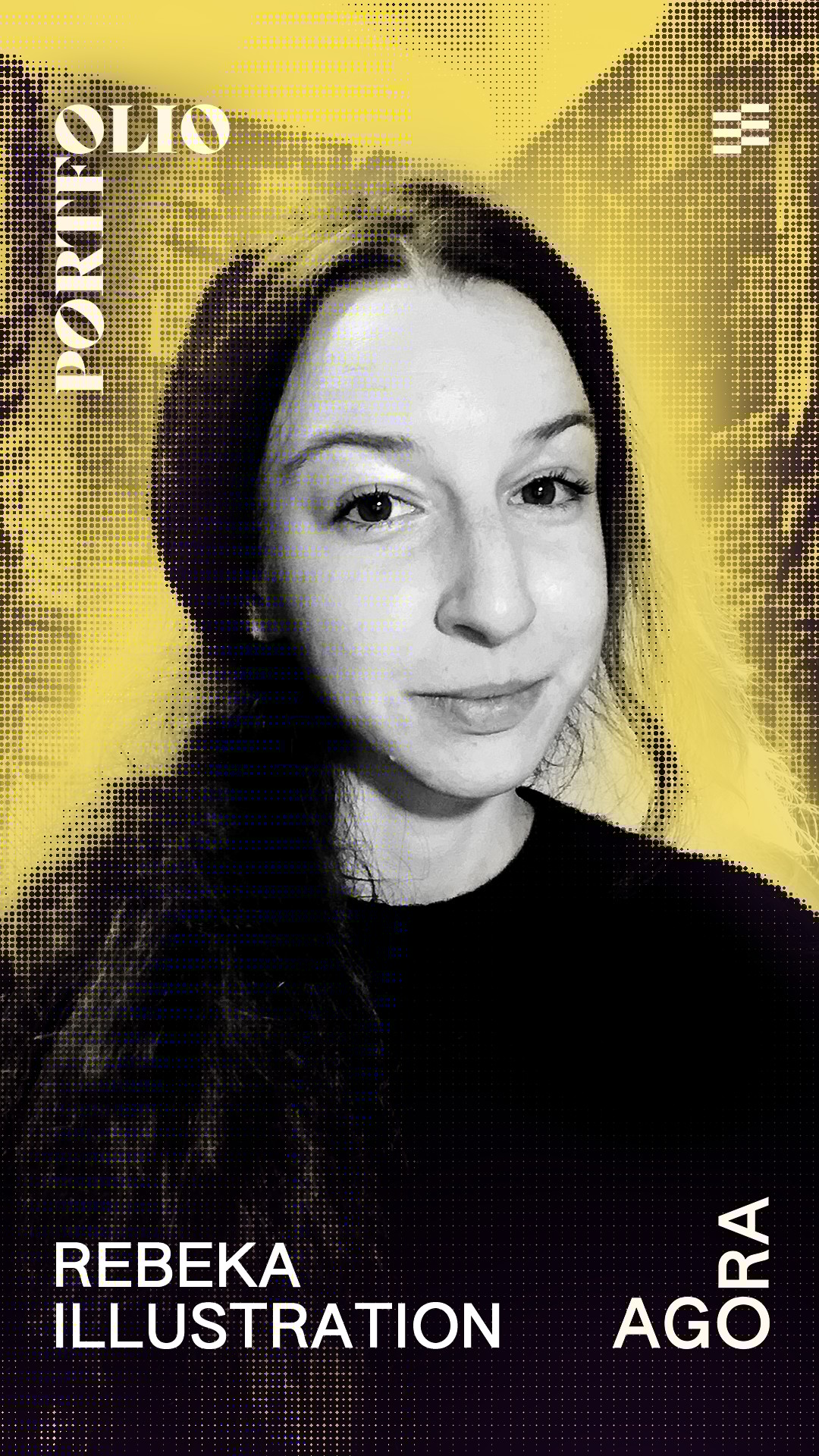
As a Prague-based magazine, I used local design vernacular to build the identity. It is still to this day influenced by post-Soviet style that features brutalist typography: type-heavy, high contrast and uncompromising. I softened its sharpness with a rounded typeface, creating a tension between rigor and warmth that felt true to a magazine built by a community of internationals navigating the same city.
Application.
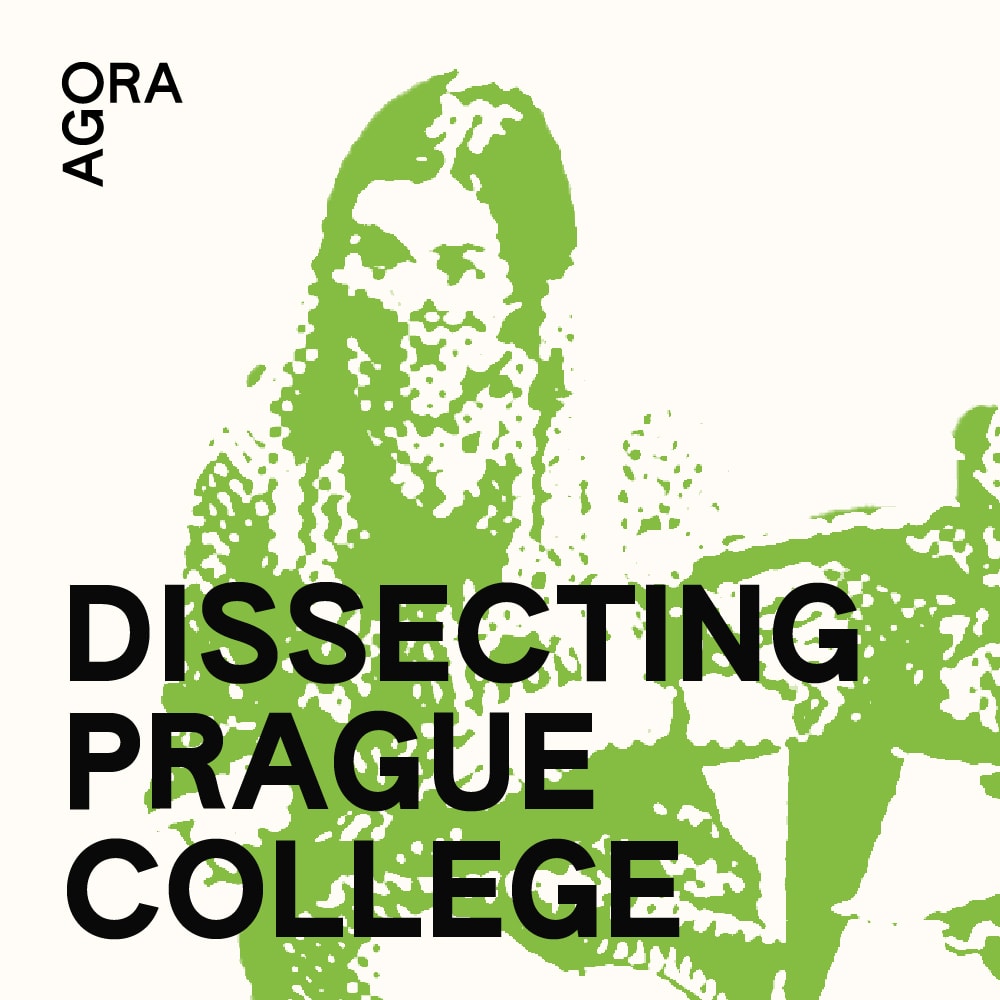
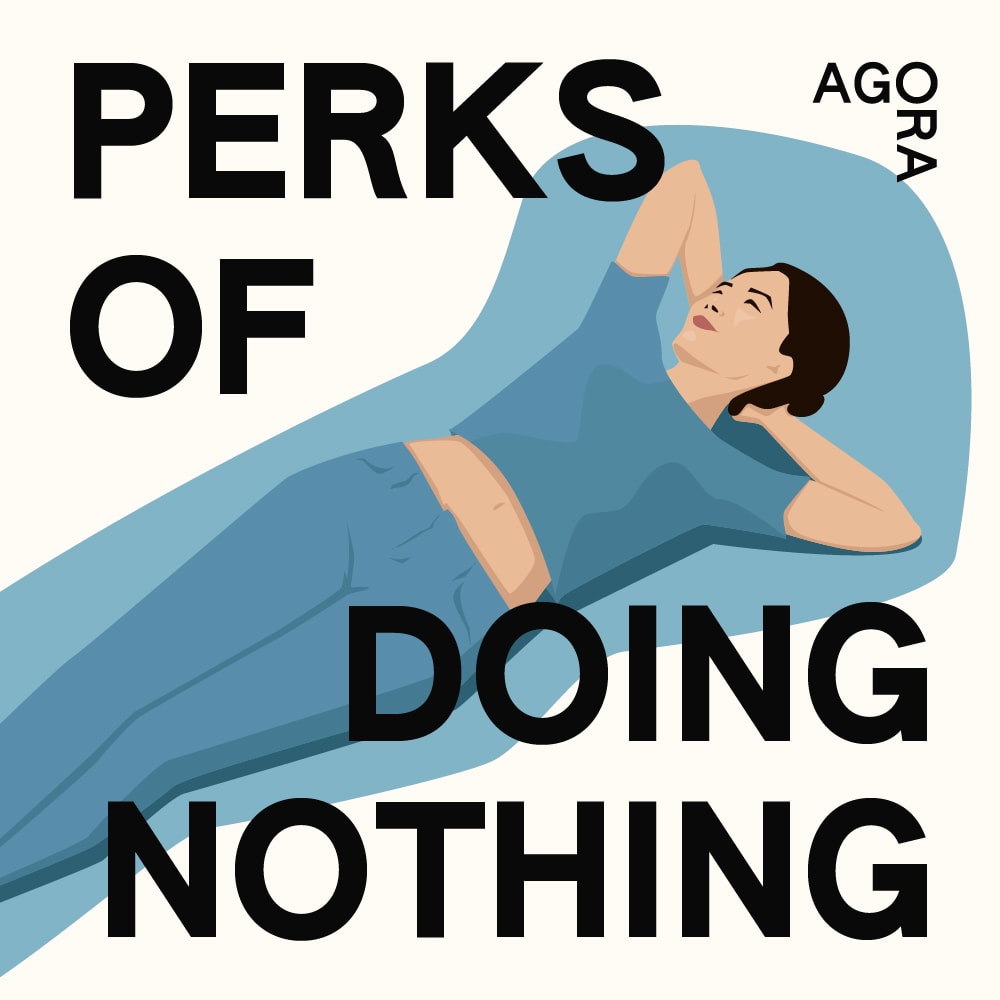
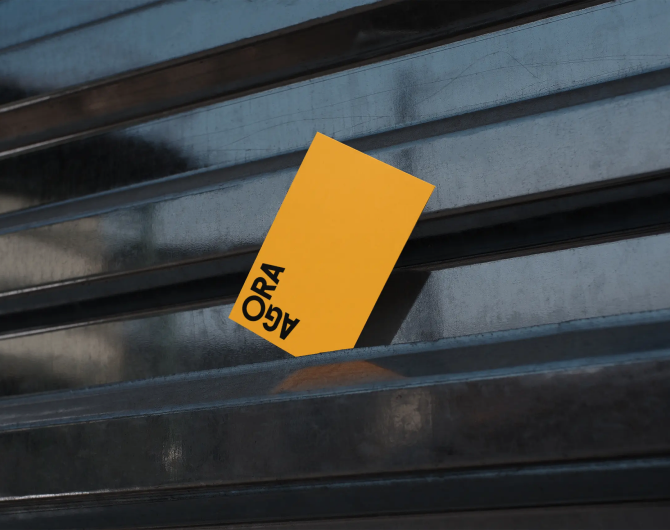
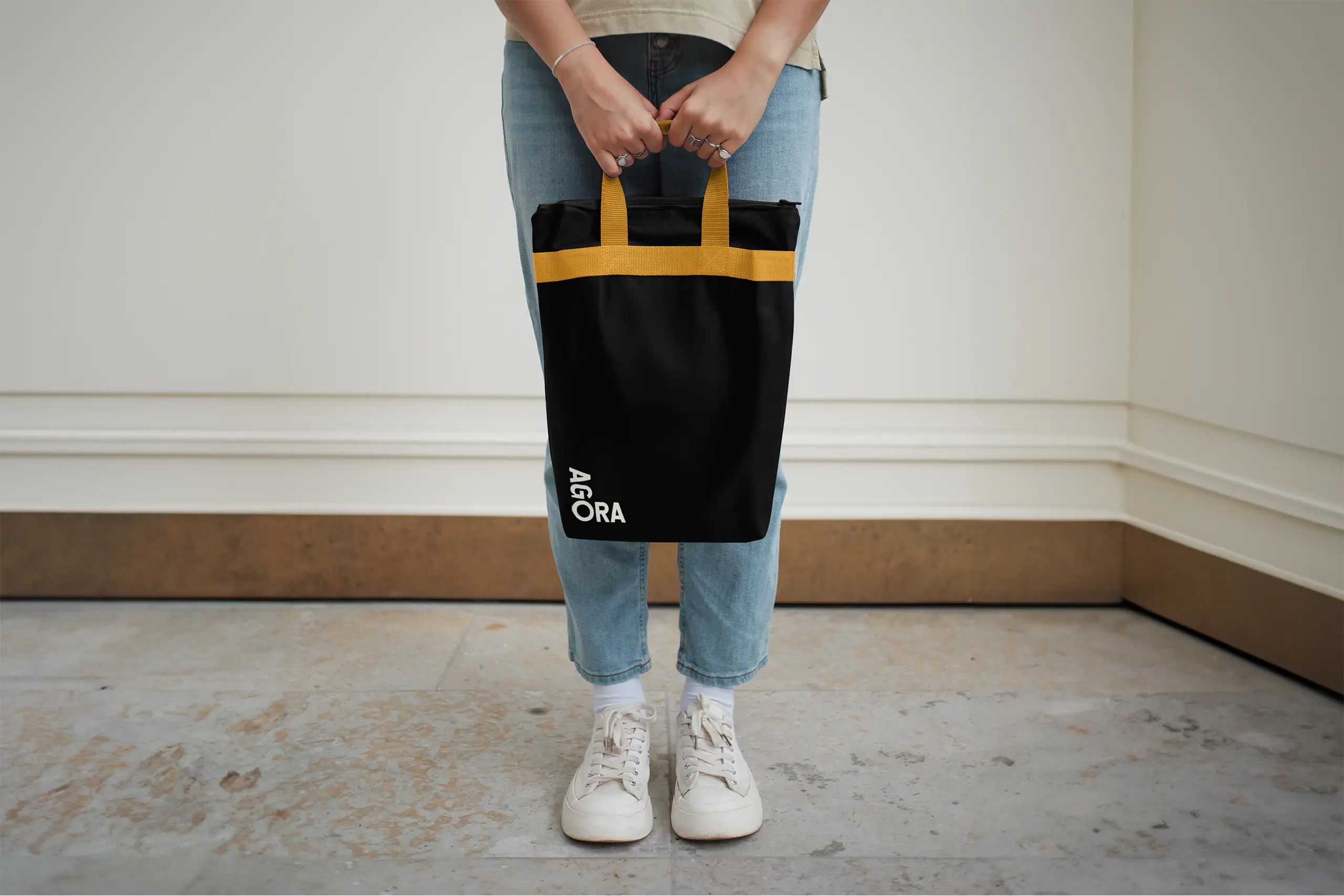
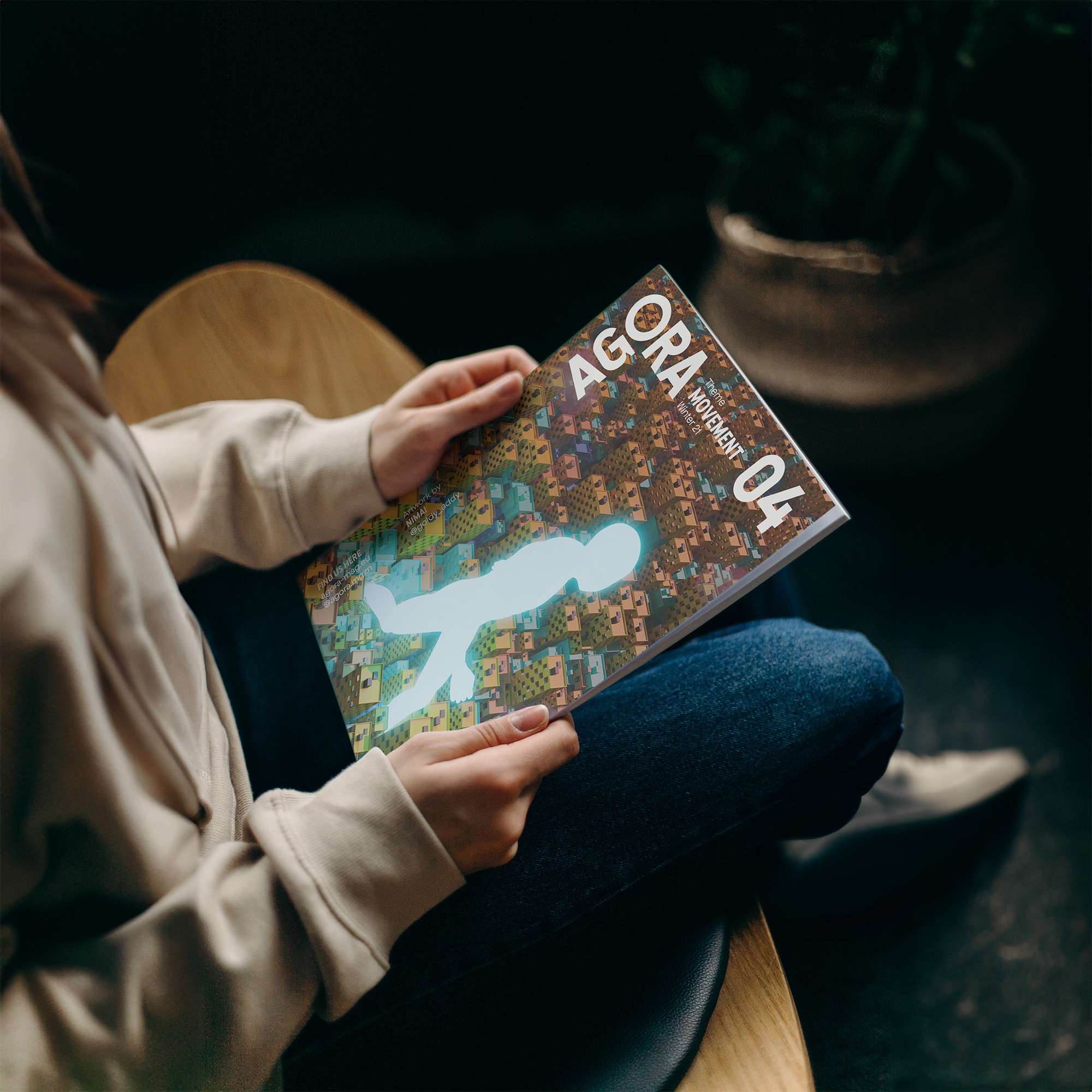
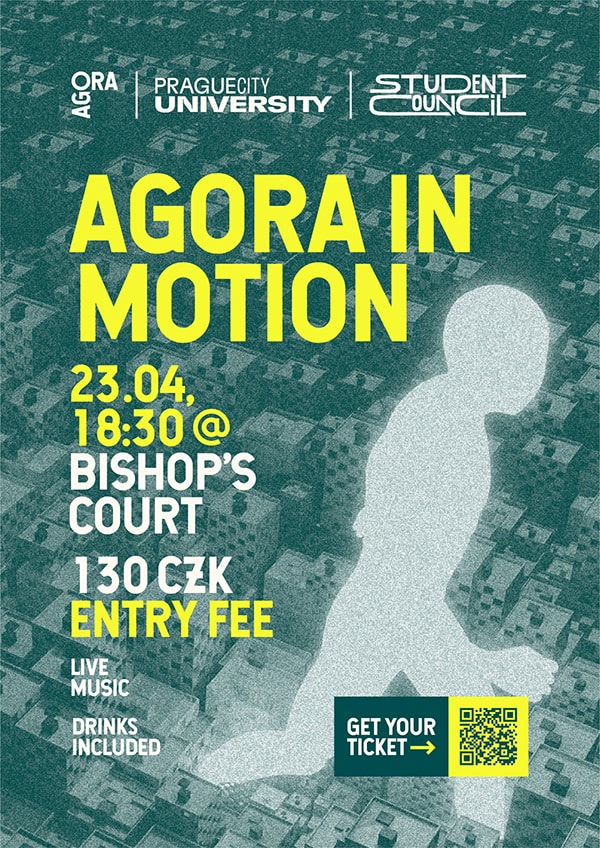
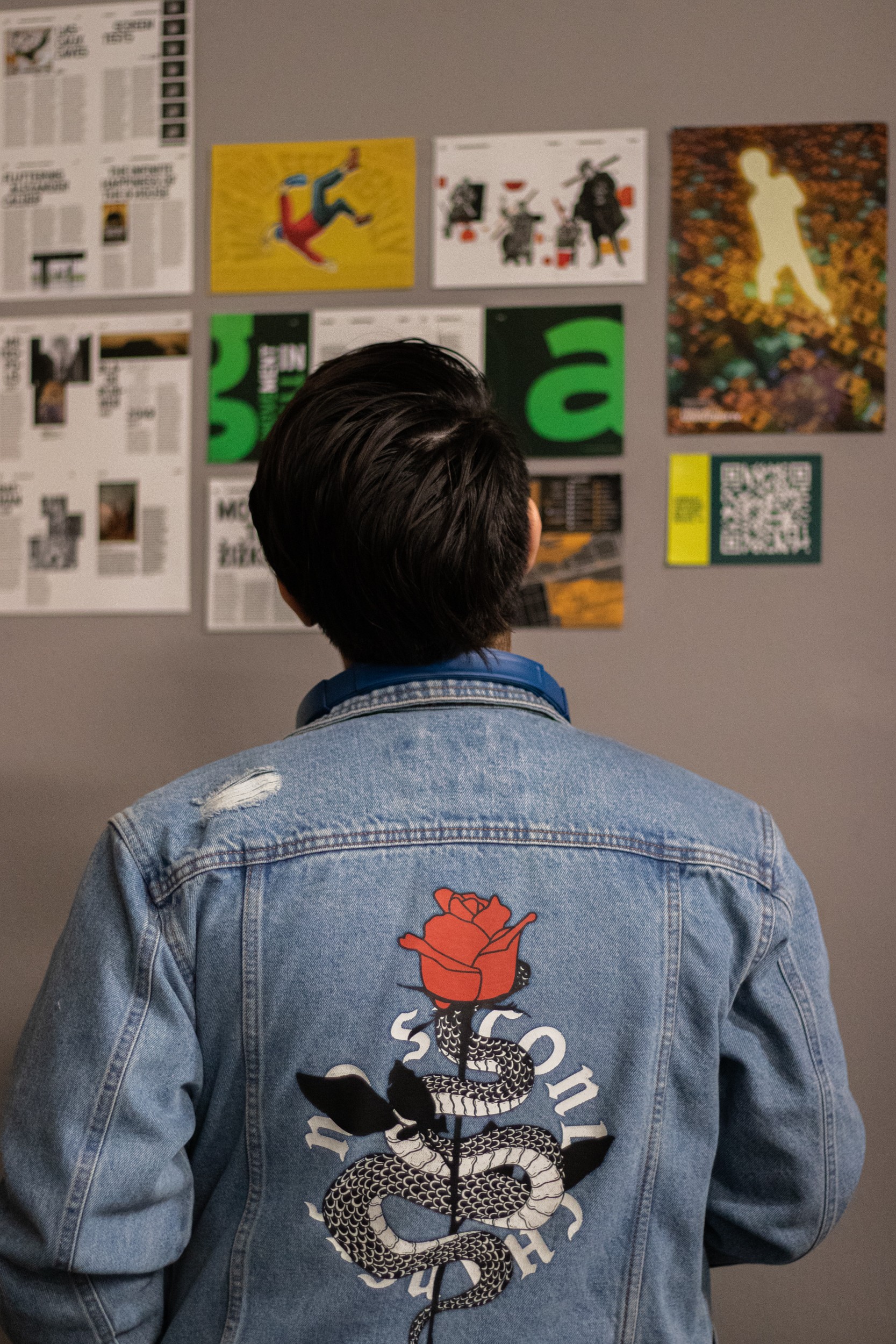
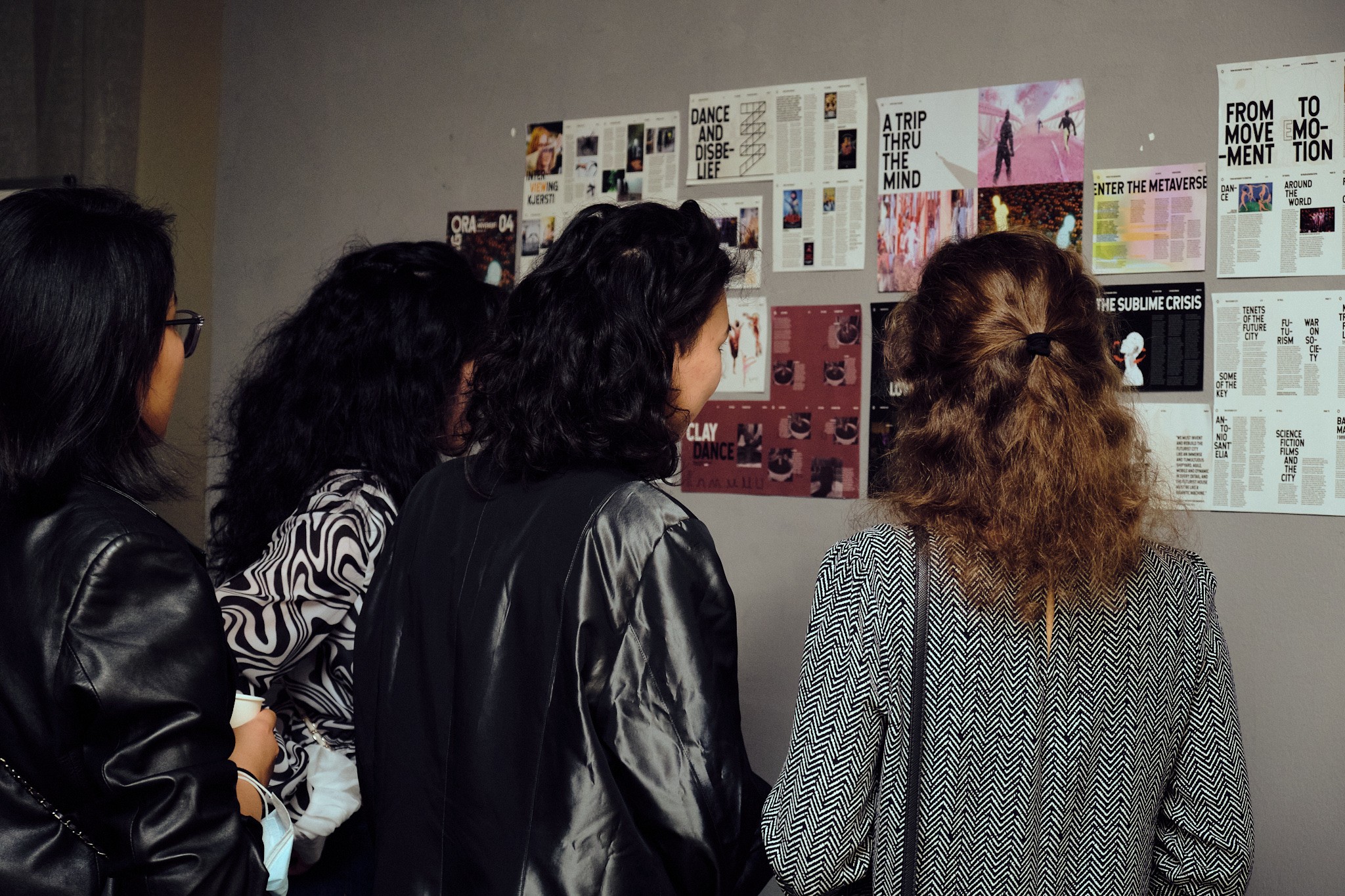
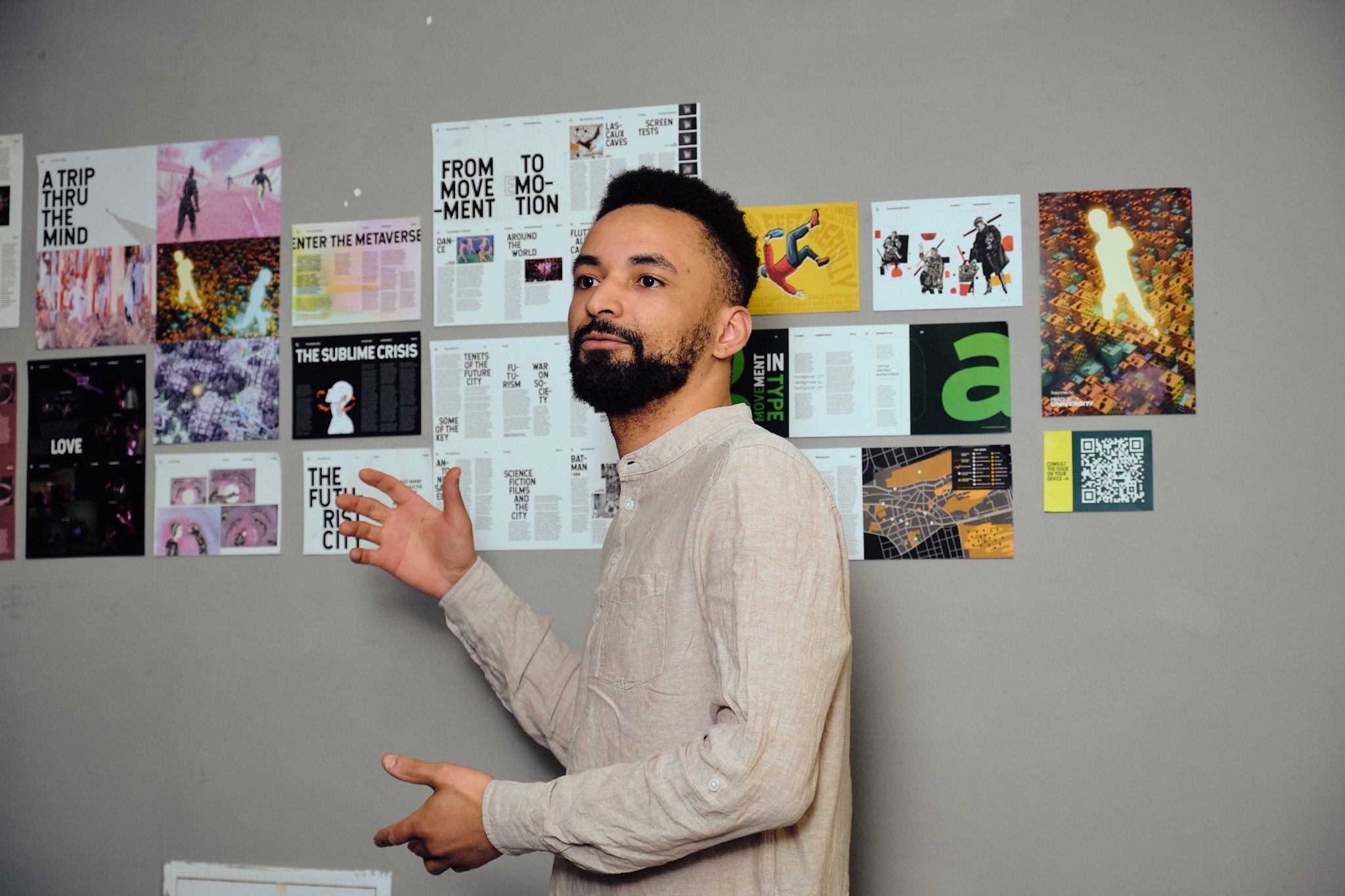
The identity was built to recede when it needed to. Covers, editorial spreads, and social content all use the circular O as a visual anchor and condensed stacked typography as the structural frame. Within that, contributors had room to bring their own visual voice. The same system extended to event materials and the website, consistent enough to be recognizable, open enough to never feel repetitive.
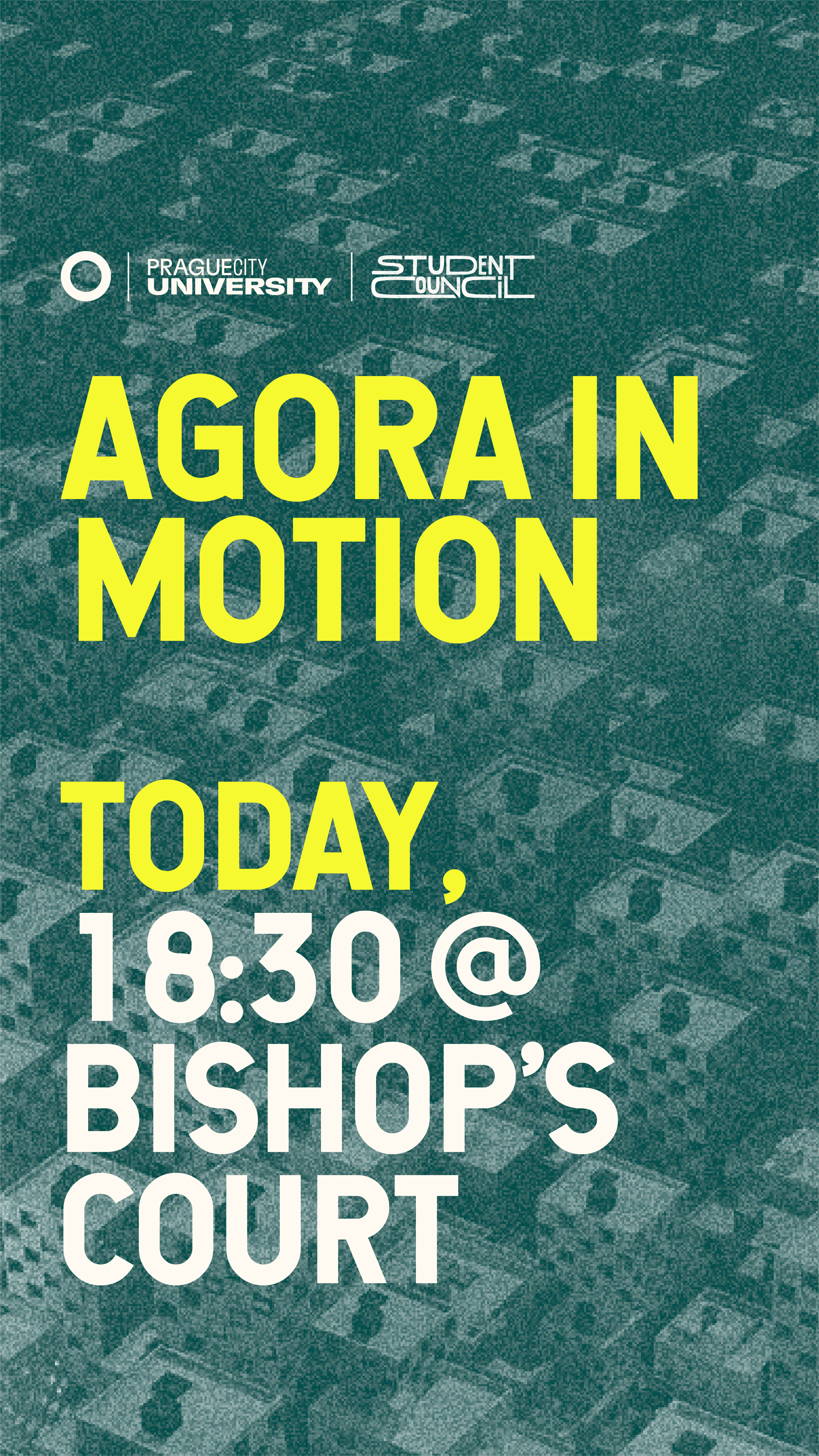
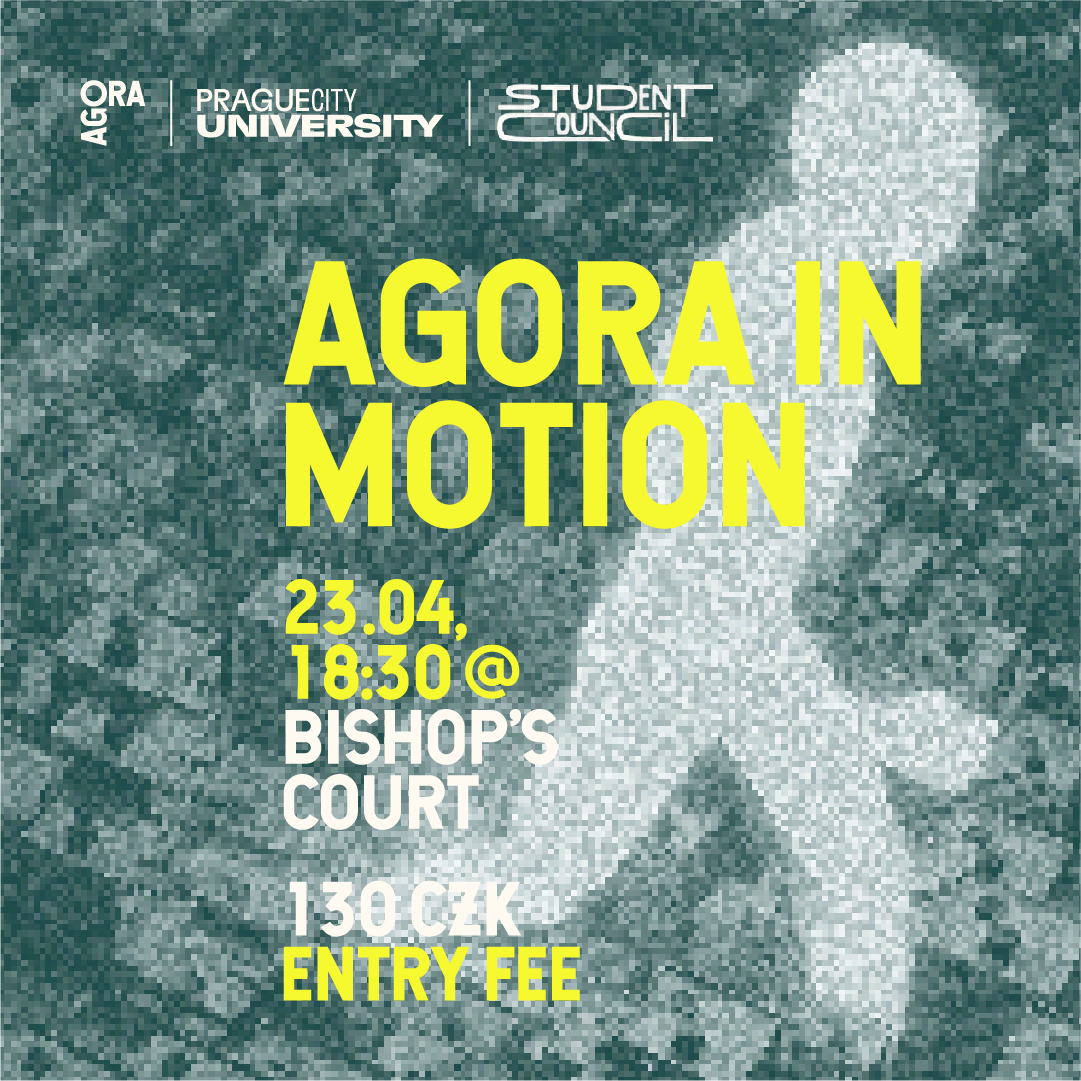
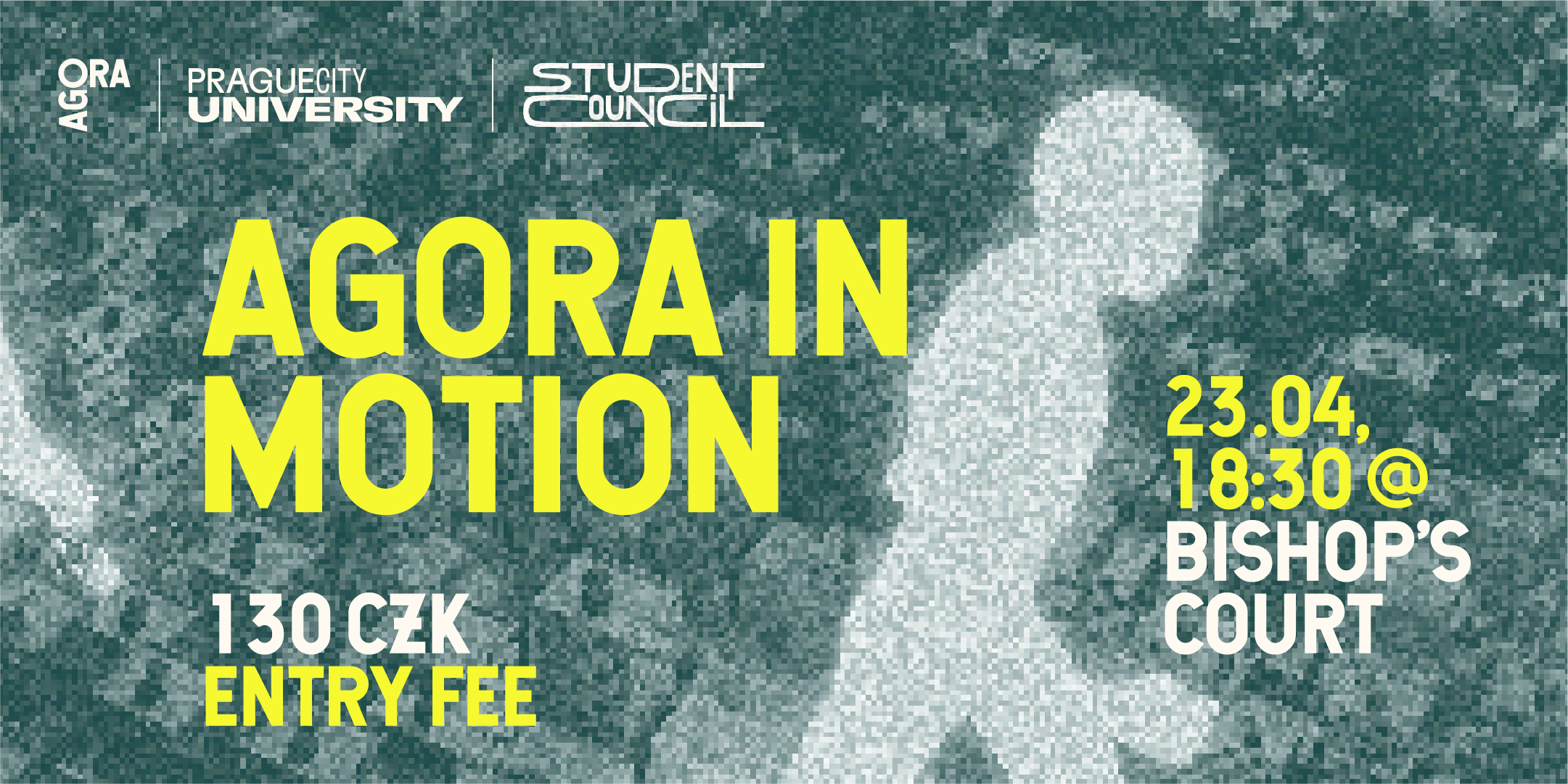
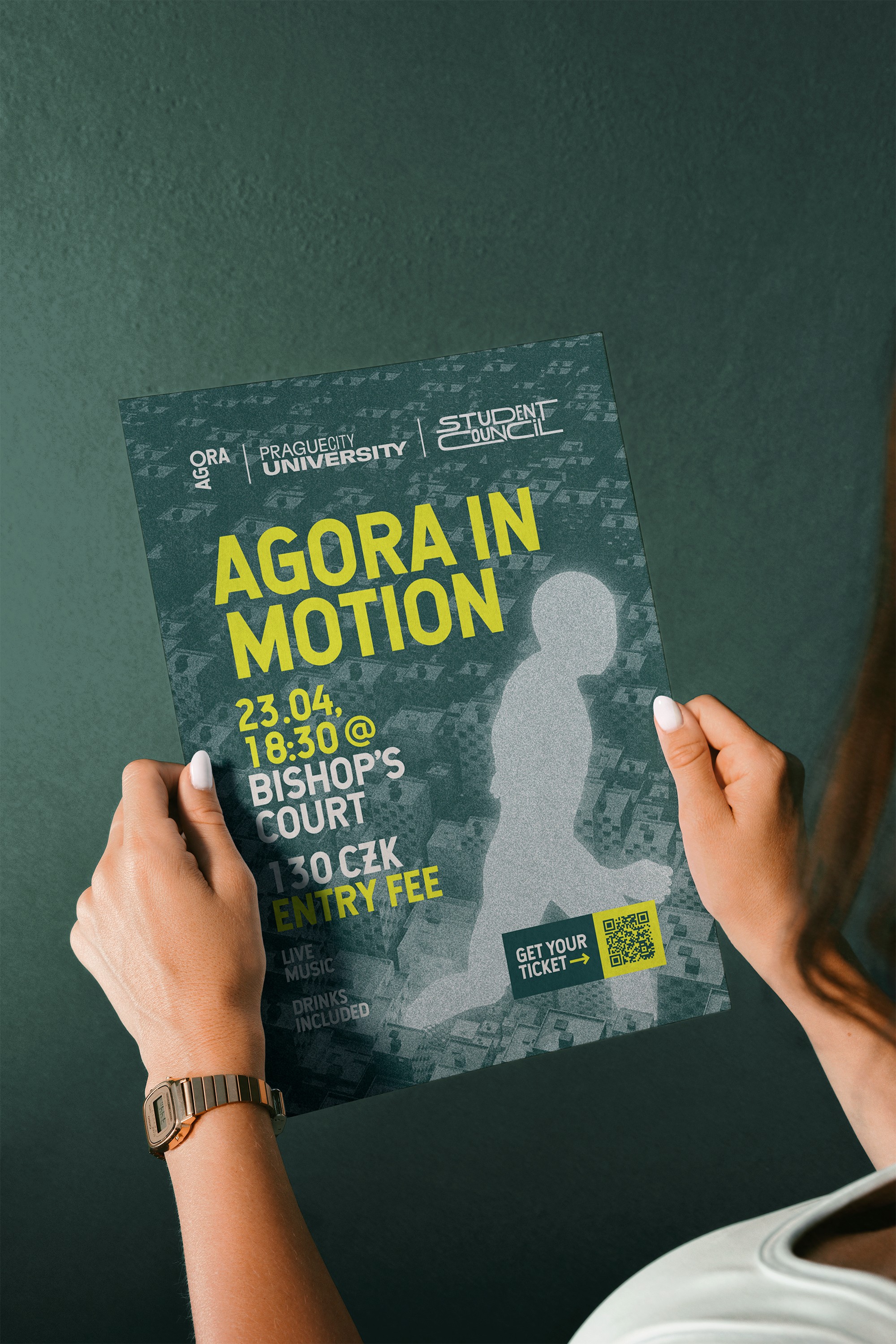

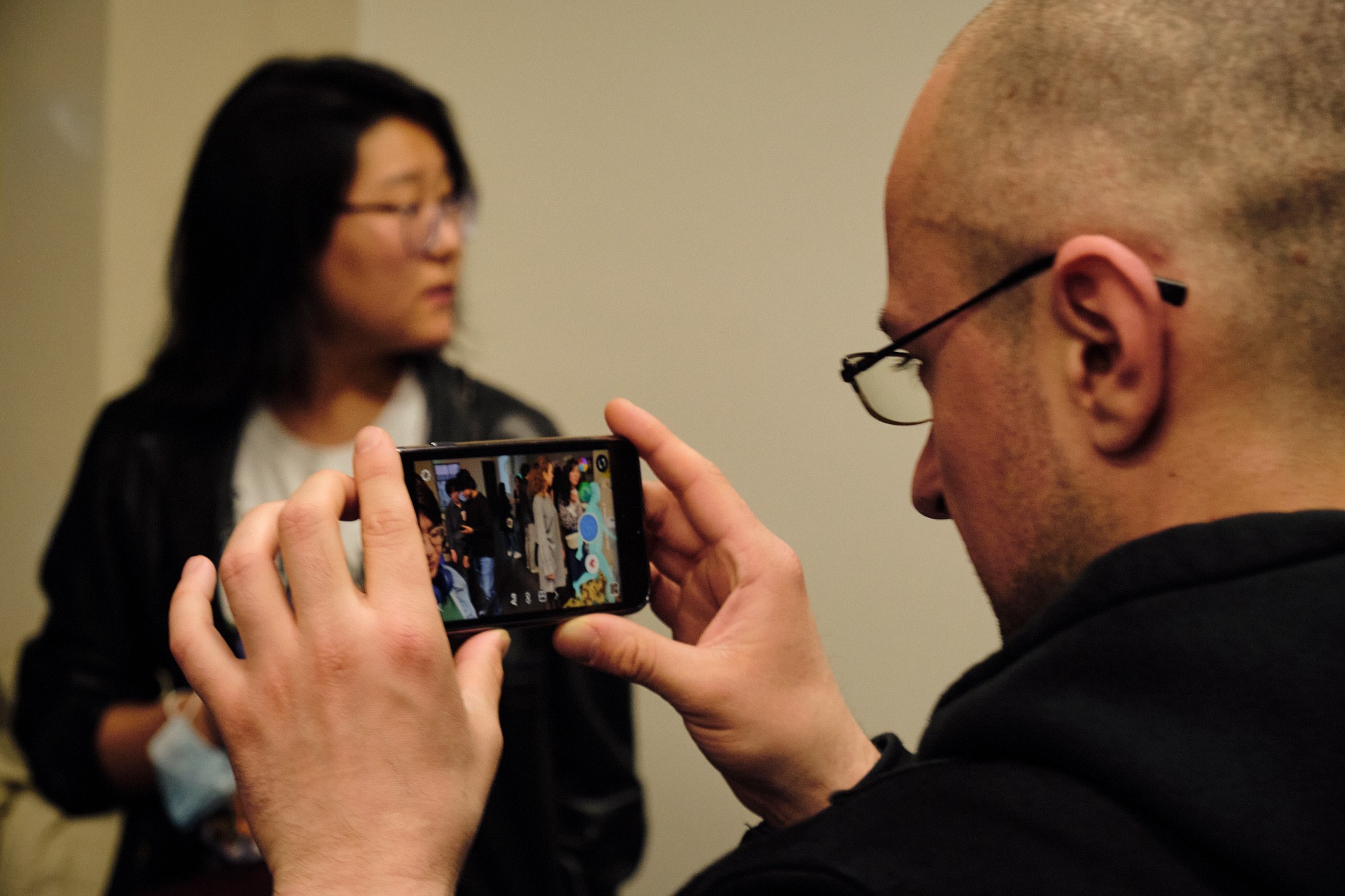
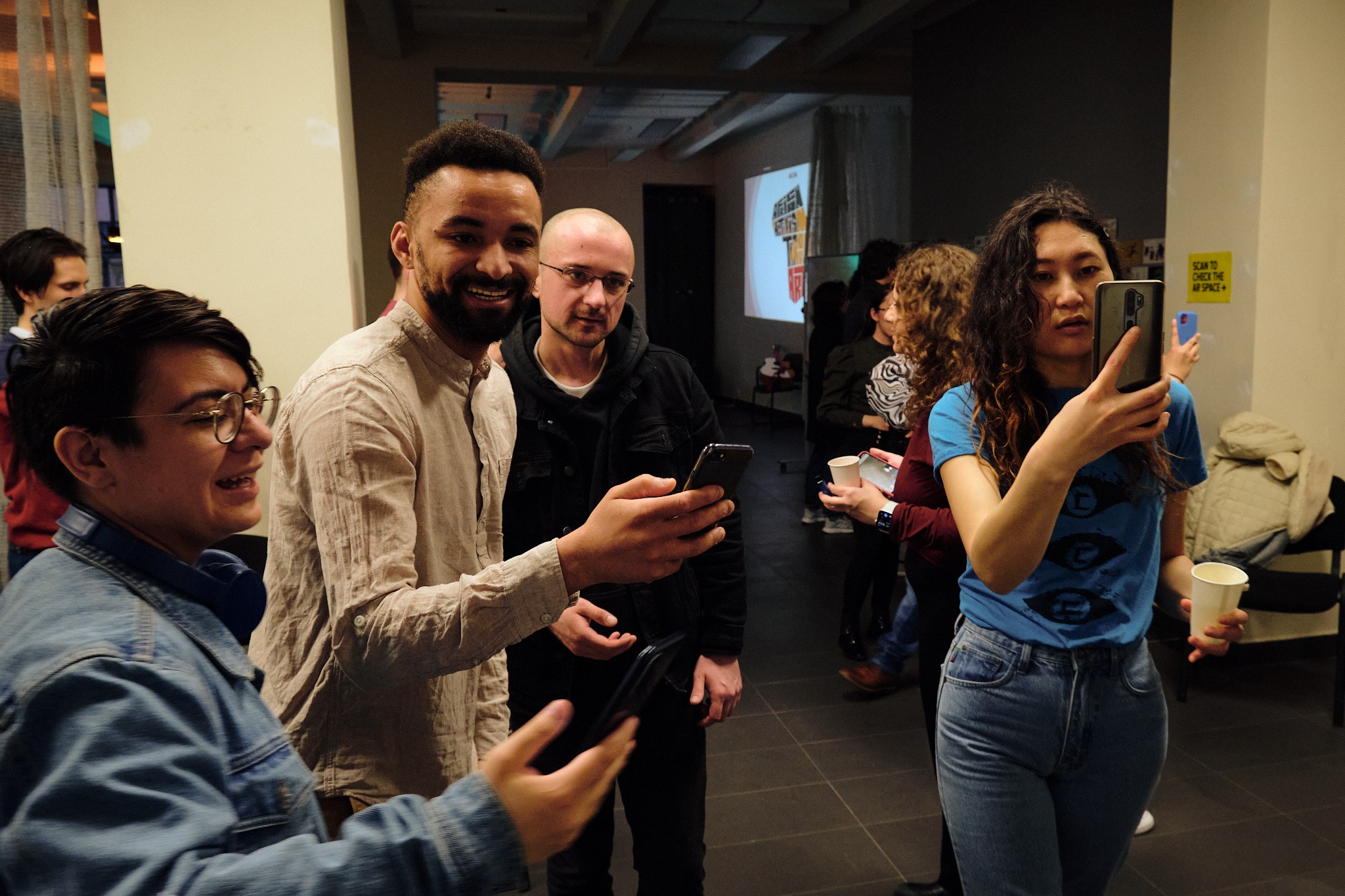
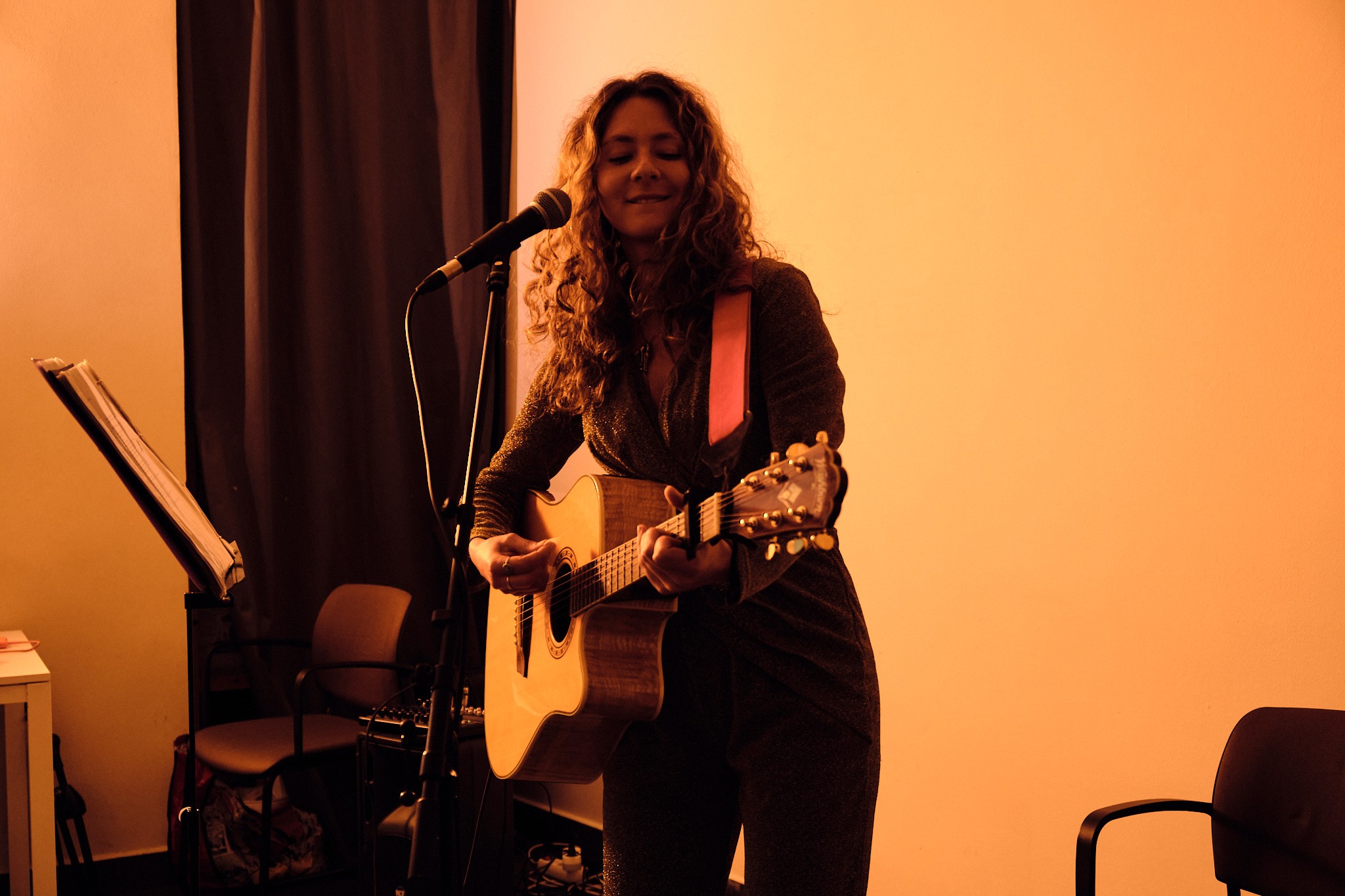
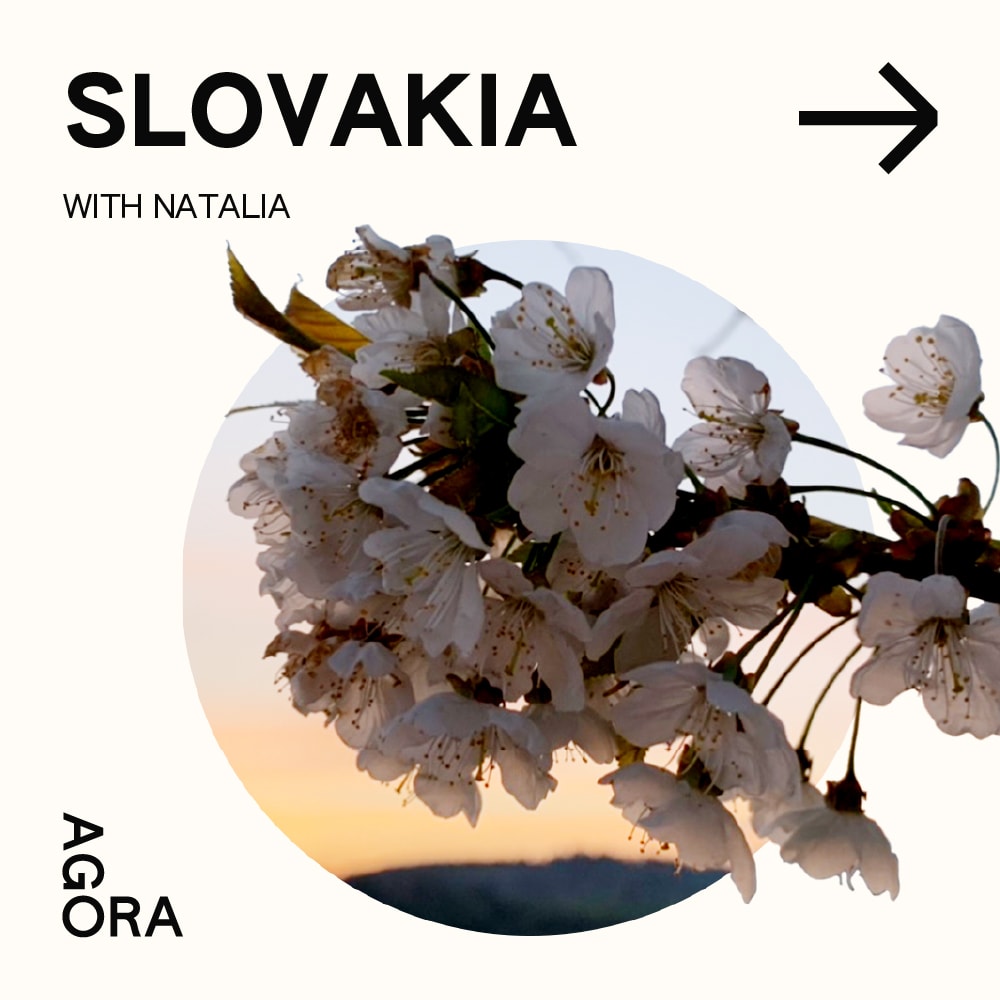
Social media campaign. In 3 steps: a teaser from the performing artist, then from a member of the production team, and an AR filter for the community to share and interact with.
Augmented artworks. Left to right. Original idea thought for the NGO DEI gallery. Final AR filter for the Bishop’s Court campus of Prague City University.
Outcome.
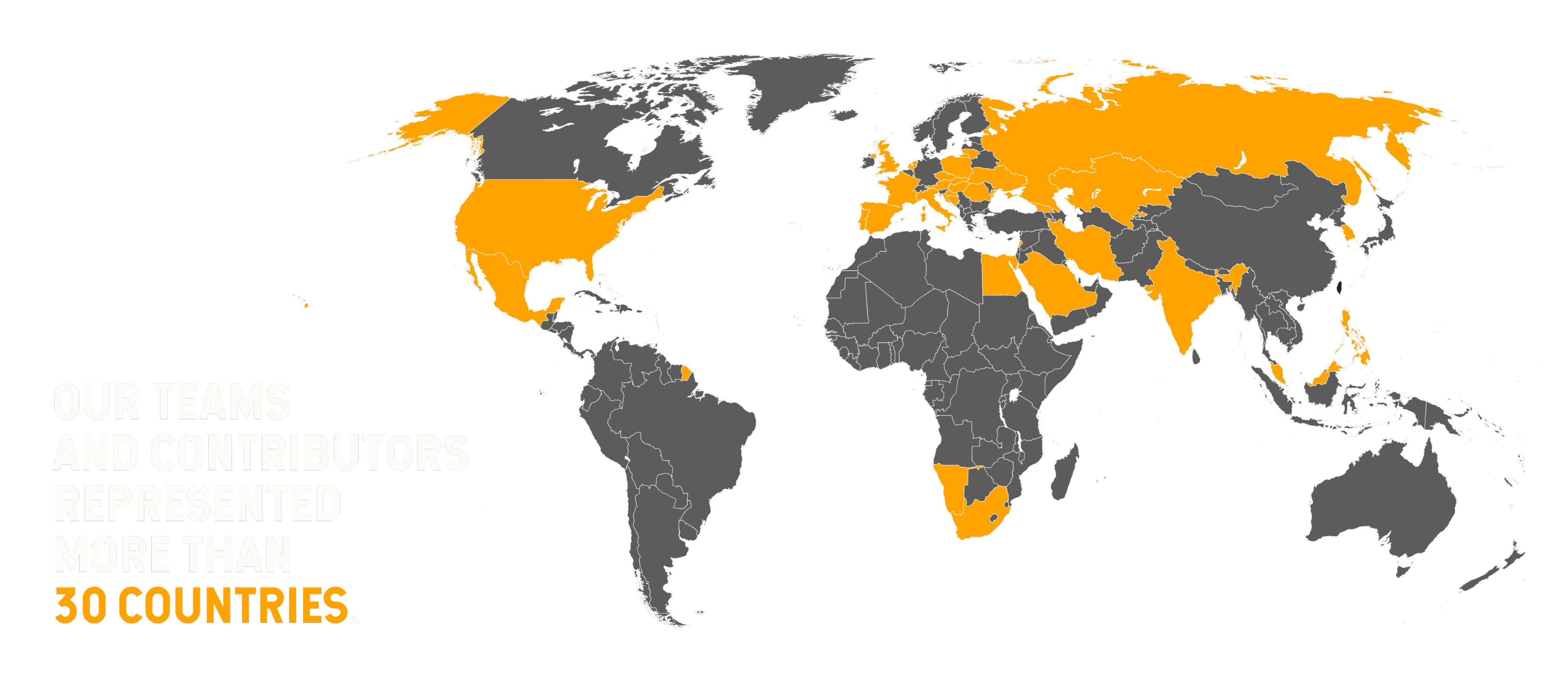
The rebrand made AGORA legible enough to grow. Contributors from across Europe, Asia, and Africa began reaching out organically, bringing fresh perspectives to issues 3 and 4. The increased volume of creative collaborators led to recruiting 2 junior designers to support production. In year two, we ramped up editorial output to 70+ website articles. The brand had become credible enough to attract the community it was built around.
Industry. Publishing.
Scope. Art direction, visual identity, editorial, brand, web development.
Year. 2020—2022.
Credits.
Core team. Kateřina Erteltová, Tamta Mamatelashvili (editorial design). Monica Mills, Mirna Kovach, Paul DeLave (editorial & proofreading). Natália Parišová, Chang Ee, William Thomy, Nimai Jaswal (cover artworks).
Agora in Motion. Ruth Guerra (augmented reality). Nimai Jaswal, Isabel Ibasco (3D & motion). Clara Martinez (Instagram campaign). Olga Kishinevskaia (organization). PCU Student Council (organization & admin). Alejandro Hueraca, Bahar Jovereih (photography). Irina Antonets (musical performance).

AGORA Magazine.
Home.

AGORA Magazine was a digital creative magazine I founded and led in Prague, supported by Prague City University. Over two years and four issues, it grew from an editorial experiment into a platform with genuine creative ambition, featuring collaborations with international creatives and studios. The original identity served its purpose but had outgrown the project it was representing.
Challenge.
During our first year of production, I prioritized exploring mediums and testing out ideas. Breaking things to see what sticks. By the end of the year, it was clear the magazine needed a stronger foundation: a brand flexible enough to coexist with a wide variety of art styles without losing its own voice. I used the summer break to rebuild it.
Strategy.
The magazine is a catalyst for creativity. It balances hosting many voices, cultures and experiences with its own. Urban, multicultural and authentic, AGORA is unapologetically creative.
Identity.
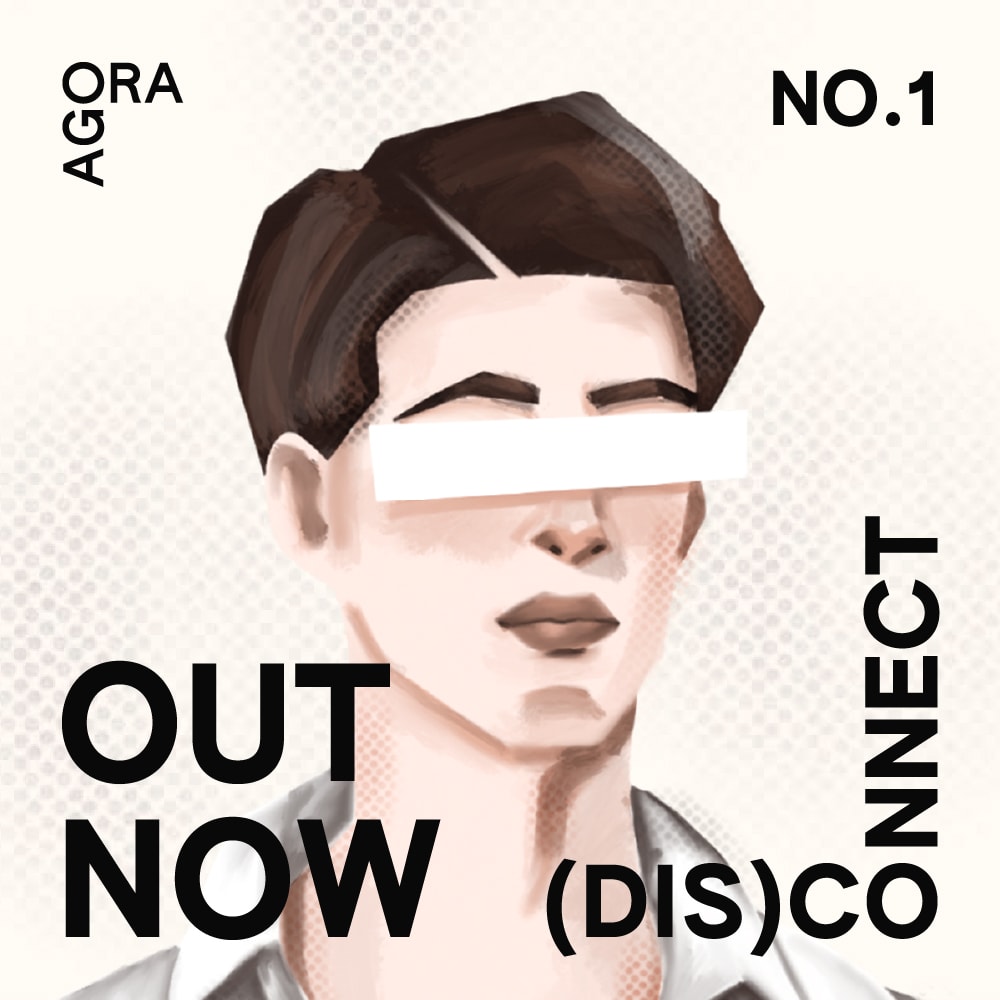
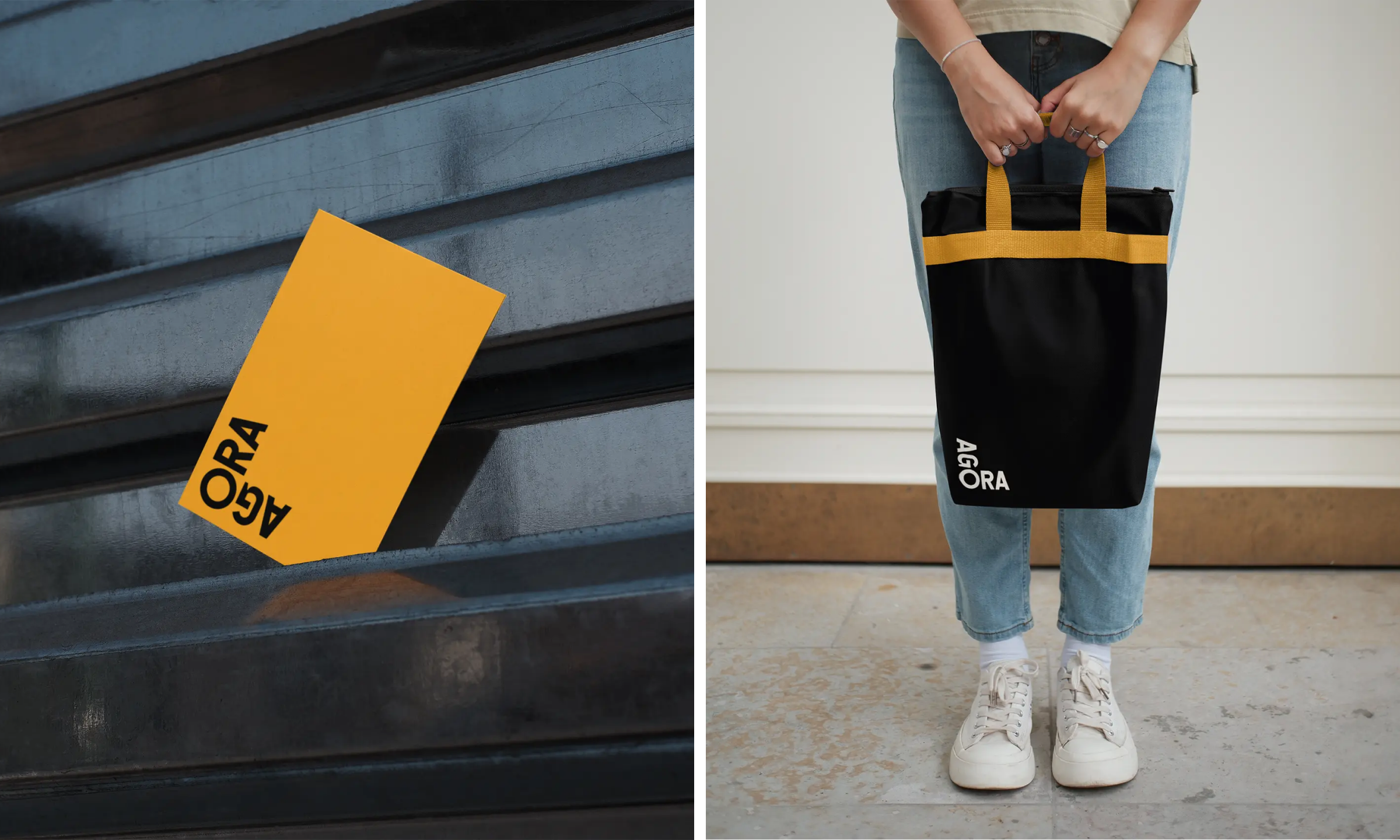
As a Prague-based magazine, I used local design vernacular to build the identity. It is still to this day influenced by post-Soviet style that features brutalist typography: type-heavy, high contrast and uncompromising. I softened its sharpness with a rounded typeface, creating a tension between rigor and warmth that felt true to a magazine built by a community of internationals navigating the same city.
Application.
The identity was built to recede when it needed to. Covers, editorial spreads, and social content all use the circular O as a visual anchor and condensed stacked typography as the structural frame. Within that, contributors had room to bring their own visual voice. The same system extended to event materials and the website, consistent enough to be recognizable, open enough to never feel repetitive.

Social media campaign. In 3 steps: a teaser from the performing artist, then from a member of the production team, and an AR filter for the community to share and interact with.
Augmented artworks. Left to right. Original idea thought for the NGO DEI gallery. Final AR filter for the Bishop’s Court campus of Prague City University.
Outcome.
The rebrand made AGORA legible enough to grow. Contributors from across Europe, Asia, and Africa began reaching out organically, bringing fresh perspectives to issues 3 and 4. The increased volume of creative collaborators led to recruiting 2 junior designers to support production. In year two, we ramped up editorial output to 70+ website articles. The brand had become credible enough to attract the community it was built around.
Industry. Publishing.
Scope. Art direction, visual identity, editorial, brand, web development.
Year. 2020—2022.
Credits.
Core team. Kateřina Erteltová, Tamta Mamatelashvili (editorial design). Monica Mills, Mirna Kovach, Paul DeLave (editorial & proofreading). Natália Parišová, Chang Ee, William Thomy, Nimai Jaswal (cover artworks).
Agora in Motion. Ruth Guerra (augmented reality). Nimai Jaswal, Isabel Ibasco (3D & motion). Clara Martinez (Instagram campaign). Olga Kishinevskaia (organization). PCU Student Council (organization & admin). Alejandro Hueraca, Bahar Jovereih (photography). Irina Antonets (musical performance).
